


| Product CodePS0021 |
No Pushing Sign – IMO marine safety sign.
Other sizes on request. Film specifications on the Specifications tab.
| Product | |
| Product code | PS0021 |
|---|---|
| Sizes | 150 × 150 mm, 300 × 300 mm · other sizes on request |
| Film options | |
| Self-Adhesive Vinyl (Non-Glow) | Polymeric PVC with UV laminate. No glow. Up to 5 yrs outdoor. |
| General Purpose Glow Vinyl | 200 µm photoluminescent vinyl, approx. 8 hr afterglow. Not certified – not for marine or escape-route use. Up to 7 yrs outdoor. |
| Marine Glow Vinyl (Class C) | DNV MED Wheelmark, ISO 15370:2021. ≥140 / ≥20 mcd/m² at 10 / 60 min, 28+ hr afterglow. Flame-retardant. Up to 5 yrs outdoor. |
| Marine High Intensity Glow Vinyl (Class D) | DNV MED Wheelmark, ISO 15370:2021. ≥260 / ≥35 mcd/m² at 10 / 60 min, 50+ hr afterglow. Nearly 2× Class C – escape routes, LLL, low-light areas. Flame-retardant. Up to 5 yrs outdoor. |
| Substrates | |
| Self-adhesive | Peel-and-stick onto flat, clean, non-porous surfaces – bulkheads, doors, cabinets, painted steel. Default. |
| Rigid PVC | Light, economical panel for interior mounting. Screw or adhesive fix. |
| Polycarbonate | Impact-resistant, UV-stable – exterior and high-traffic locations. |
| Aluminium | Corrosion-resistant, long-life exterior and deck use. |
| Steel | Heavy-duty industrial mounting; magnet-compatible. |
Full film data sheets, certificates and care instructions on our Materials page.
No Pushing Sign
A no pushing sign is an ISO 7010 prohibition pictogram used aboard ships and within port facilities to warn against manually pushing trolleys, pallets, equipment or other loads in locations where doing so creates an unacceptable risk of injury or loss of control. Displayed as a red circle with a diagonal bar over a black pushing figure symbol on a white background, this no pushing sign communicates the rule instantly to crew and stevedores, regardless of the language they speak.
Manual handling injuries and loss-of-control incidents are common wherever loads are moved by hand, and a no pushing sign is a straightforward control that highlights locations where pushing a load is especially risky, such as near ramps, gangways, hatch openings, stairwells and the edges of elevated platforms. On a sloped gangway or ramp, pushing a heavy trolley can quickly lead to a loss of control that endangers both the person pushing and anyone nearby, so a no pushing sign at the top of the incline reminds crew to use an alternative method, such as a powered mover or an additional person to steady the load. In port terminals, the same sign is used near loading docks and conveyor infeed points where a pushed load could run into machinery, other workers or a drop edge.
Supporting safer manual handling practice
A no pushing sign works alongside broader manual handling procedures and equipment such as pallet jacks, hoists and mechanical conveyors, giving a clear reminder at the specific point where manual pushing becomes unsafe rather than a general instruction. Because the pictogram follows internationally recognised ISO 7010 design conventions, the sign is understood consistently by crew of any nationality, which matters on vessels and terminals with a mixed, multinational workforce.
Locations that call for a no pushing sign are often identified only after a near miss, such as a trolley running away on a ramp or colliding with a hatch coaming, so it is worth reviewing gangways, ramps and dock edges proactively during routine safety walks rather than waiting for an incident to highlight the gap. A short walk-through focused specifically on where loads are moved by hand can reveal several locations where this sign would reduce risk at very little cost.
Built to last in a marine environment
Safety Sign Hub manufactures this no pushing sign from a fire-retardant, photoluminescent material designed to withstand salt air, humidity and the daily wear of shipboard and terminal operations. The photoluminescent pigment charges under normal lighting and glows in the dark, keeping the sign legible during a blackout or power failure. Ship chandlers and marine suppliers can order this sign using SKU PS0021 for fast, accurate procurement during a port call or scheduled maintenance survey. For further guidance on reducing manual handling risk, see the Safe Work Australia resources on hazardous manual tasks, and fit a no pushing sign wherever pushing a load by hand presents an avoidable hazard.
Where a task genuinely cannot be completed without moving a load through a restricted area, a no pushing sign should be paired with a documented alternative method, such as using a mechanical mover, splitting the load into smaller units, or routing the task through a different, safer path. Simply telling crew not to push a load without offering a practical alternative tends to encourage the very behaviour the sign is meant to prevent, since the underlying task still needs to be completed one way or another before the vessel or terminal can move on to its next job. Recording the agreed alternative alongside the sign, in a nearby procedure note or toolbox talk record, keeps the safer method front of mind rather than relying on memory alone during a busy shift.
Browse our full range of prohibition signs for more IMO-compliant maritime safety signage.
Fit this no pushing sign on doors intended only to be pulled, reducing wear and preventing accidental damage from incorrect operation. Browse our full range of Prohibition Signs for more IMO-compliant maritime safety signage.
Related products
-
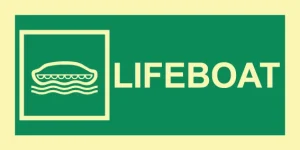
Lifeboat
SKU ES0038Price range: $12.10 through $28.60 inc GST Select options This product has multiple variants. The options may be chosen on the product page -
Emergency exit
SKU ES0032Price range: $18.15 through $42.35 inc GST Select options This product has multiple variants. The options may be chosen on the product page -
Exit / emergency use only
IMPA 33.4424ISSA 47.544.24Price range: $12.65 through $59.40 inc GST Select options This product has multiple variants. The options may be chosen on the product page -
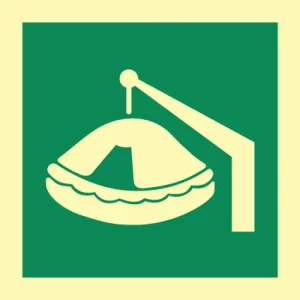
Davit Launched Liferaft
IMPA 33.4053ISSA 47.540.53Price range: $12.65 through $59.40 inc GST Select options This product has multiple variants. The options may be chosen on the product page -
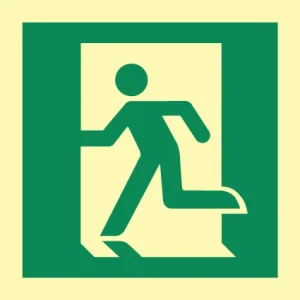
Emergency Exit Left
IMPA 33.4422ISSA 47.544.22Price range: $12.65 through $59.40 inc GST Select options This product has multiple variants. The options may be chosen on the product page



Reviews
There are no reviews yet.